Independent consumer guide. Not a restoration company.Life-safety emergency? Call 911 first.
WaterRemoval247 Call (470) 555-0142

24/7 emergency water removal

Water Damage Restoration, Day or Night

Burst pipe, flooded basement, or water heater leak? Get the water stopped, then call one number for emergency water removal, drying, and water restoration from a company that serves your area.

Call (470) 555-0142

Calls connect to an independent restoration company. WaterRemoval247 does not do the work.

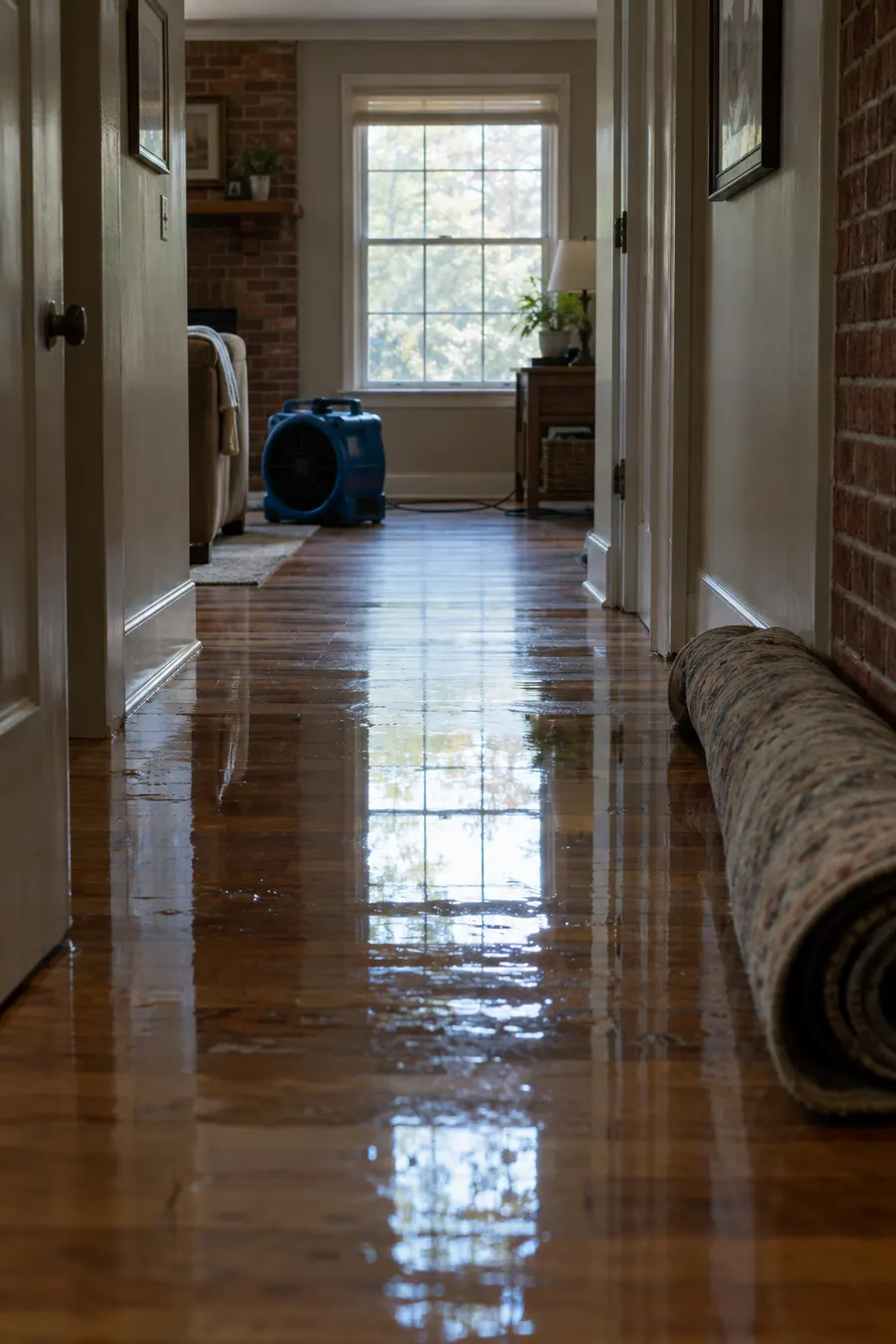
A hardwood hallway covered by a thin layer of water, with a rolled-up rug and an air mover drying the room

What happened?

Pick the closest match for the right first steps.

Most common

Burst or frozen pipe

Water spraying from a wall, dripping through a ceiling, or pooling under a sink after a freeze.

  • Shut off the main water valve
  • Turn off power to wet rooms if it is safe to reach the panel
  • Photograph everything before you move it
  • Get standing water out within 24 to 48 hours to limit mold
See the full first-hour checklist
Water removal

Flooded basement or crawlspace

Standing water from heavy rain, a failed sump pump, or a supply line. Extraction comes before any drying.

Flooded basement guide
Leaks

Water heater or appliance leak

Washer hoses, dishwashers, ice makers, and water heaters. Water often spreads under flooring before you see it.

Hidden moisture guide
Sewage backup

Sewage or toilet backup

Contaminated water from a toilet, floor drain, or main line. Keep people and pets out of the area.

Sewage and water categories guide

The first hour after water damage

Do these in order. Skip anything that is not safe.

  1. Make it safe

    If water is near outlets or the ceiling is sagging, stay out of the room. Gas smell or sparking means leave and call 911.

  2. Stop the water

    Close the main shutoff, usually where the line enters the house or near the water heater. Shut off the water heater too.

  3. Cut power to wet areas

    Only from a dry spot. If you would have to stand in water to reach the panel, wait for help.

  4. Document before you clean

    Wide photos of each room, close-ups of damage, the source of the leak, and serial numbers on damaged appliances.

  5. Call your insurer

    Report the claim, write down the claim number, and ask whether they need to inspect before drying starts.

  6. Start drying fast

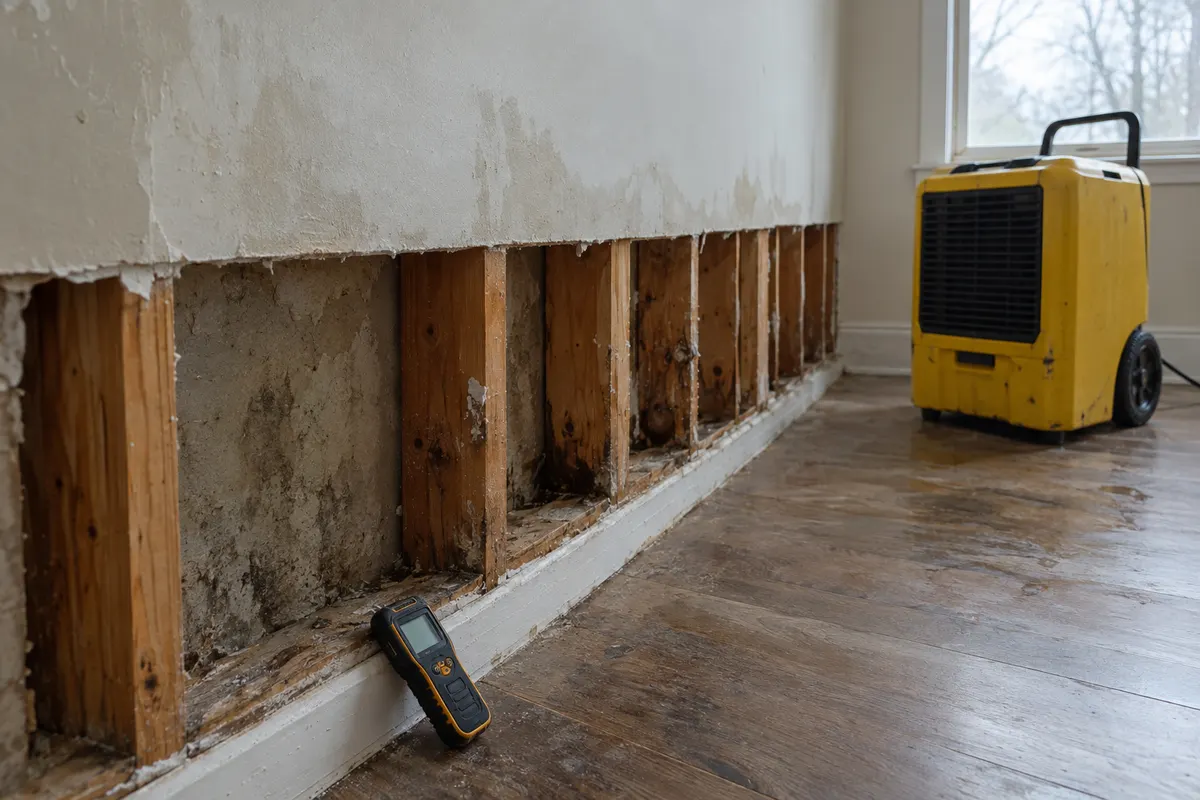
    Wet drywall and carpet pad can grow mold in 24 to 48 hours. Professional drying uses air movers, dehumidifiers, and moisture readings.

Lower drywall cut away to expose wet studs, with a moisture meter on the baseboard and a dehumidifier running

What a restoration company actually does

Most water losses look smaller than they are. Water wicks up drywall and travels under flooring, so the visible stain is usually the smallest part of the job.

A restoration crew measures moisture behind walls and under floors, removes what cannot be dried, sets drying equipment, and documents readings each day. Many will work directly with your insurance adjuster.

The job has two stages. Water mitigation comes first: emergency water removal, tearing out what cannot be saved, and drying. Water damage repair comes after, replacing drywall, flooring, and trim. Some companies do both, and others hand the repair to a contractor.

Questions to ask before you sign a work authorization

Water damage questions

What is water mitigation?

Water mitigation is the first stage of water damage restoration: stopping the water, emergency water removal, removing materials that cannot be dried, and drying the structure so the damage does not spread or grow mold. Repairs like new drywall and flooring come after mitigation is finished.

What is the difference between water damage restoration and water damage repair?

Restoration covers the whole job, starting with water removal and drying. Repair is the rebuilding at the end, such as replacing drywall, baseboards, cabinets, and flooring. Insurers usually expect mitigation to start right away, while repairs can wait for the adjuster's approval.

How fast should emergency water removal start?

As soon as the source is stopped. Wet drywall and carpet pad can start growing mold within 24 to 48 hours, and standing water keeps wicking into walls and subfloors the longer it sits.

Can I do water damage cleanup myself?

A small clean-water spill on a hard floor, yes: mop it up and run fans. Soaked carpet, wet drywall, water under flooring, or any sewage or floodwater needs moisture meters and drying equipment, because water you cannot see is what causes mold and floor damage later.

Water damage restoration by city

All locations
Call (470) 555-0142Answered 24/7 by a local company